Camira — Material processing pathways

Material processing pathways: review the material context and the next decision.

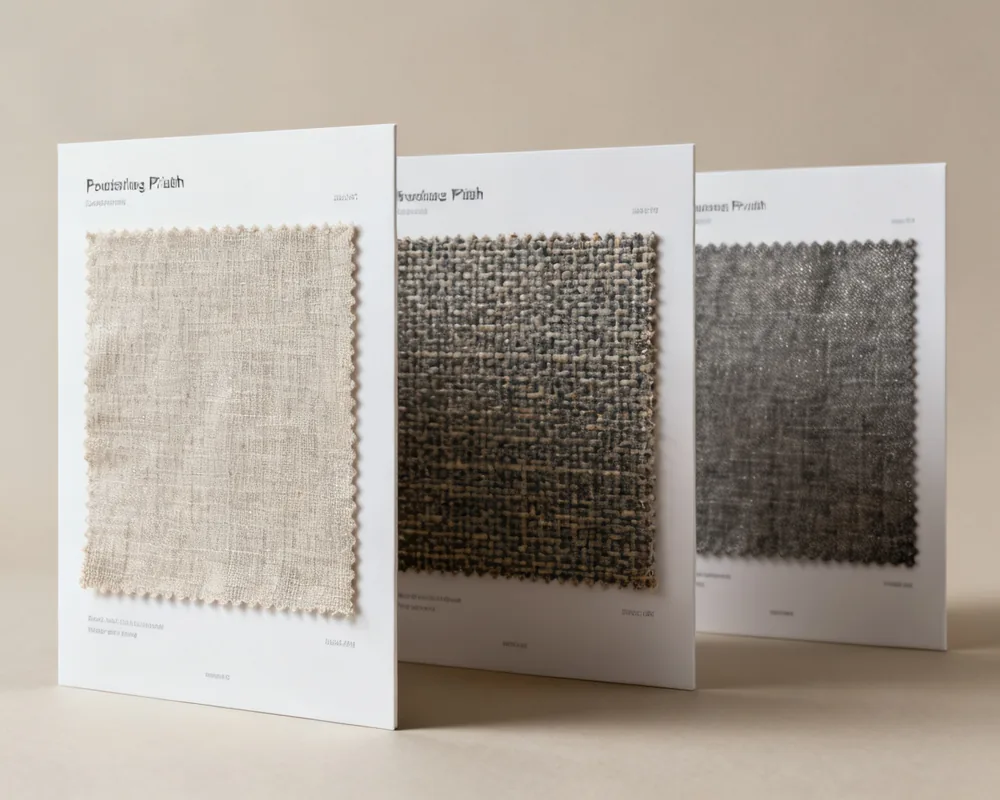
textile sample study for material processing pathways

Material processing pathways

Cutting

Discuss usable width and dimensional context.

For an interior seating cutting plan, distinguish the nominal fabric width from the usable width available after excluding unsuitable edges. Record the required width in cm and the fabric mass in g/m², then check the actual reference and its dimensional tolerance. Pattern direction, texture orientation and repeat alignment can affect how a piece sits on a curved seat. Treat a cutting layout as a project input, not proof of a guaranteed yield. A small swatch will not show every roll defect or lot variation, so a bulk review needs its own agreed inspection scope.
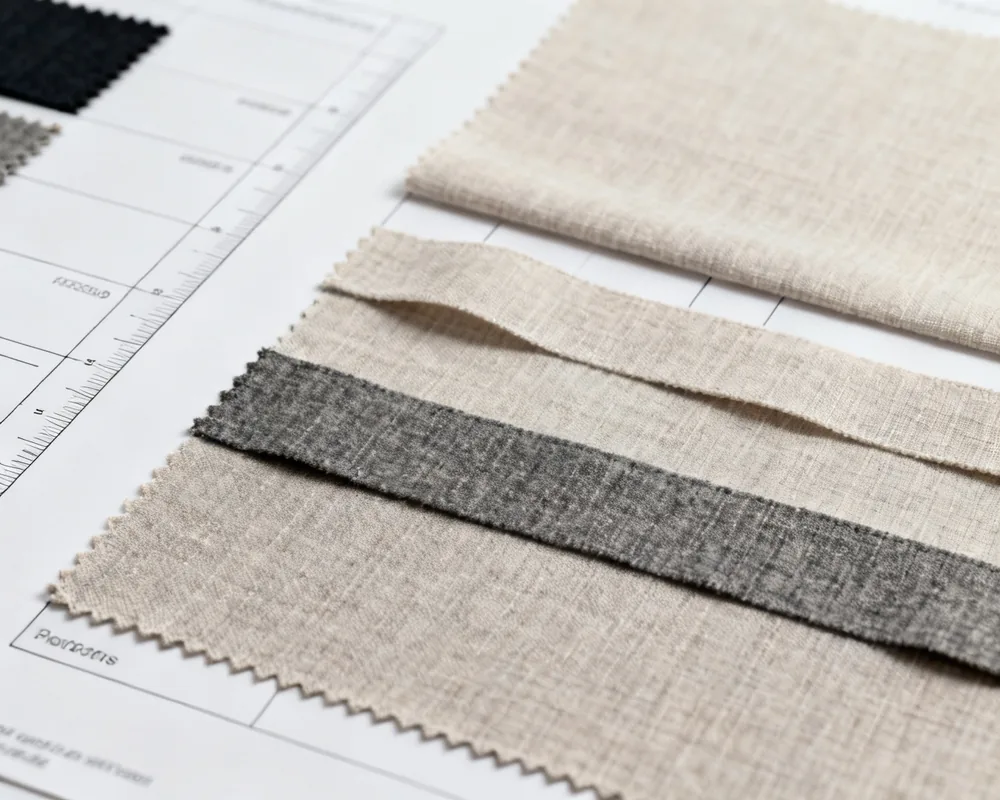
textile cutting layout with sample strips

Joining

Review construction, edge behaviour and assembly requirements.

At the joining stage, assess the material and the proposed seam as a system. A dense face can look reassuring while yarn movement at an edge still needs attention. Seam slippage, tear strength and abrasion resistance describe separate responses; one reported result cannot stand in for the others. Compare candidate constructions with the same specimen state, joining detail and documented method where available. Keep a dated seam specimen with the chosen material reference. If a backing or finish changes, reopen the relevant assembly questions rather than assuming the previous approval applies.

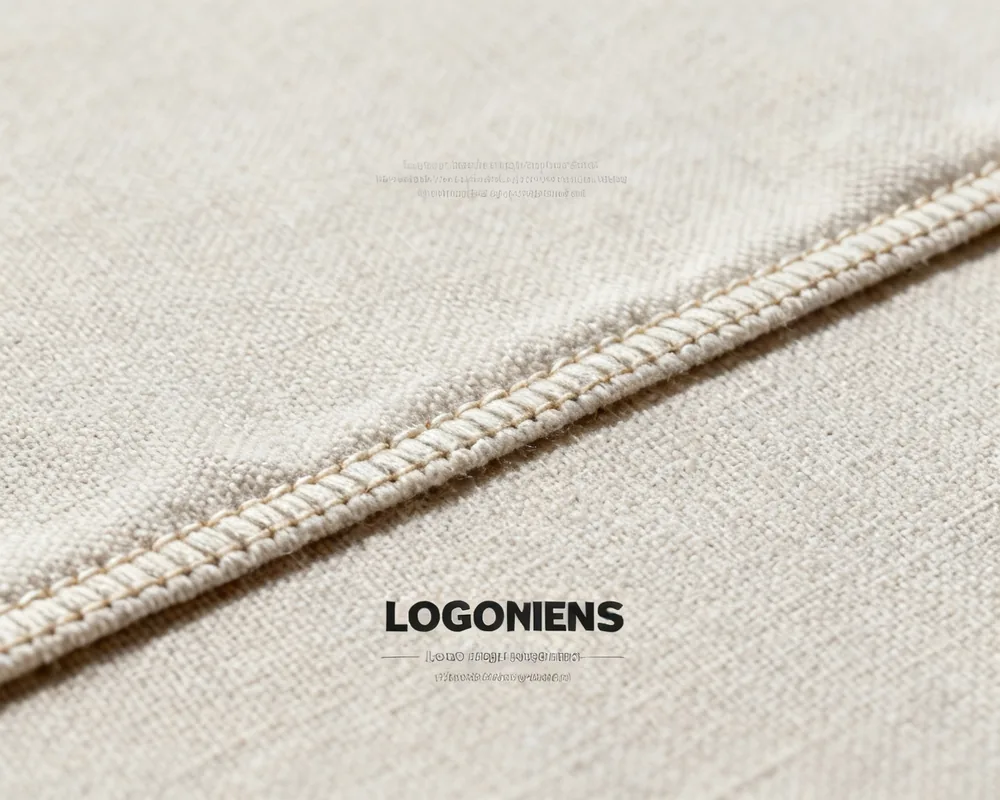
unbranded sewn textile seam sample

Care

Match the intended maintenance method to the use.

Care is part of the interior setting. A reception seat subject to repeated contact creates a different brief from a lightly used meeting chair. State the intended maintenance procedure, cleaning agent and exposure context before choosing between a preferred handfeel and an easier care routine. Natural and synthetic fiber routes have different practical tradeoffs, but neither label defines the result on its own. Colorfastness, dimensional stability and pilling should be reviewed separately. A surface treatment does not establish permanent stain protection, and a decorative upholstery fabric is not automatically suitable for outdoor exposure.

For an illustrative material review, the starting problem might be two visually similar cloths proposed for one seating detail. Keep the same dated swatch orientation, compare composition, usable width, weave construction and care evidence, then record which question remains unresolved before selecting either route. The output is a clearer shortlist, not a measured customer outcome. For any reported performance, retain the test method, conditioning information, sample identity and scope beside the value. Fire or acoustic requirements need an applicable material or assembly record; an upholstery image or collection name supplies neither.

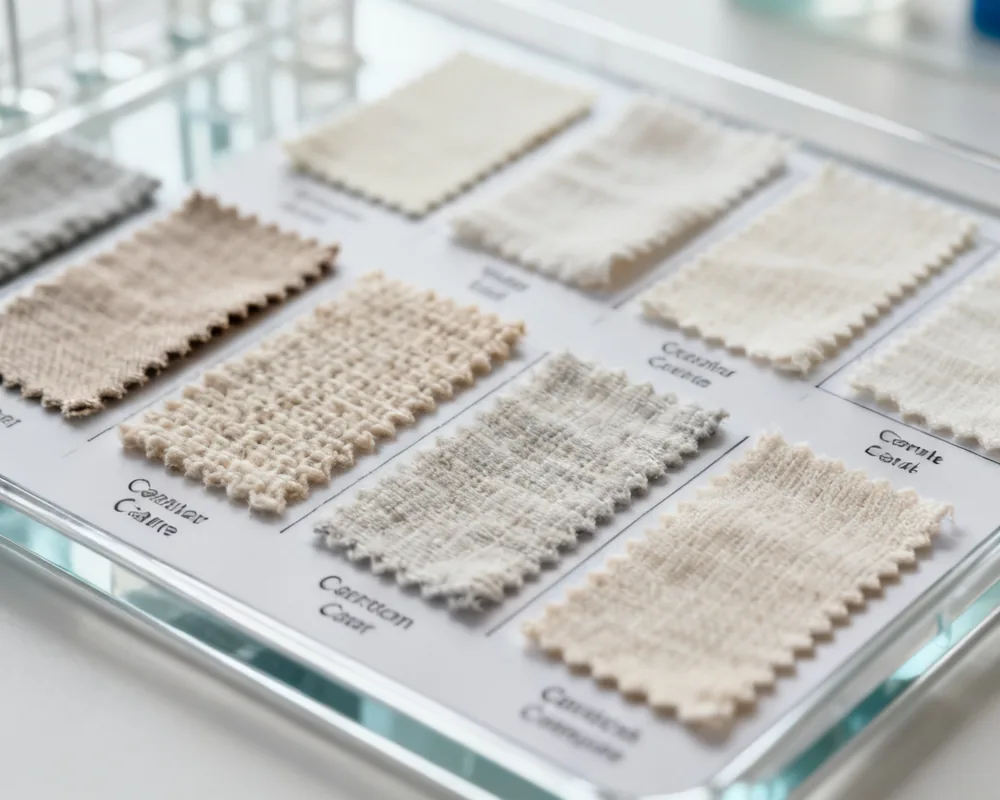
textile care test specimens on a laboratory tray

Describe the use environment

Exposure, care and processing make the brief specific.

Discuss your fabric requirements