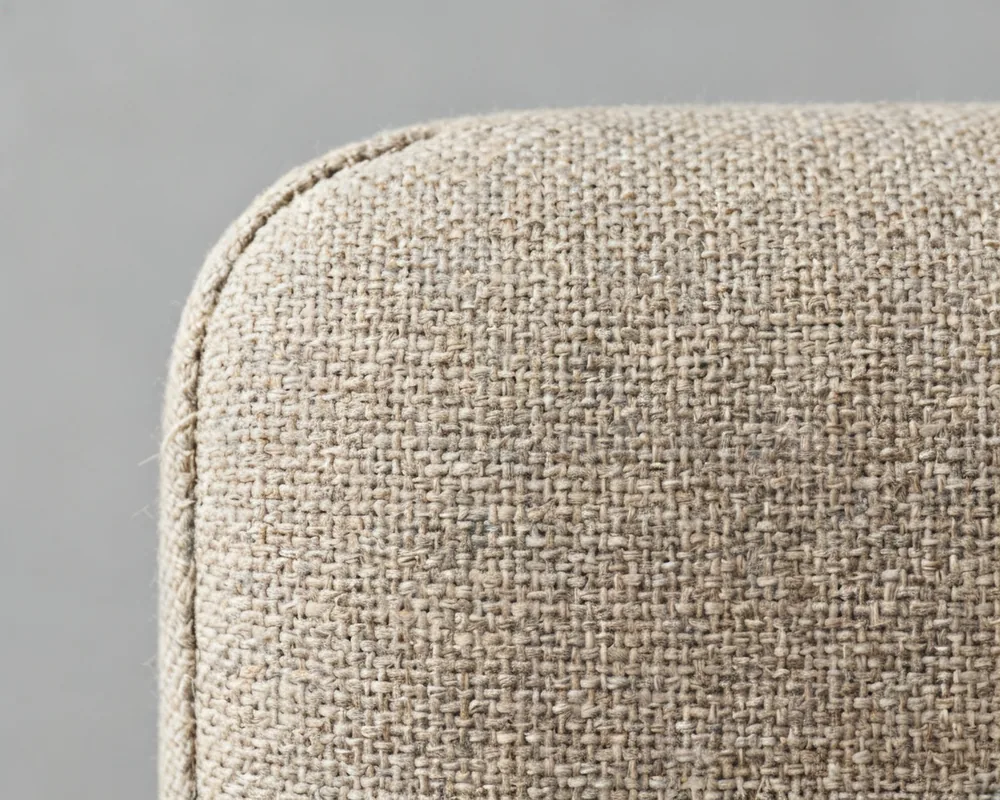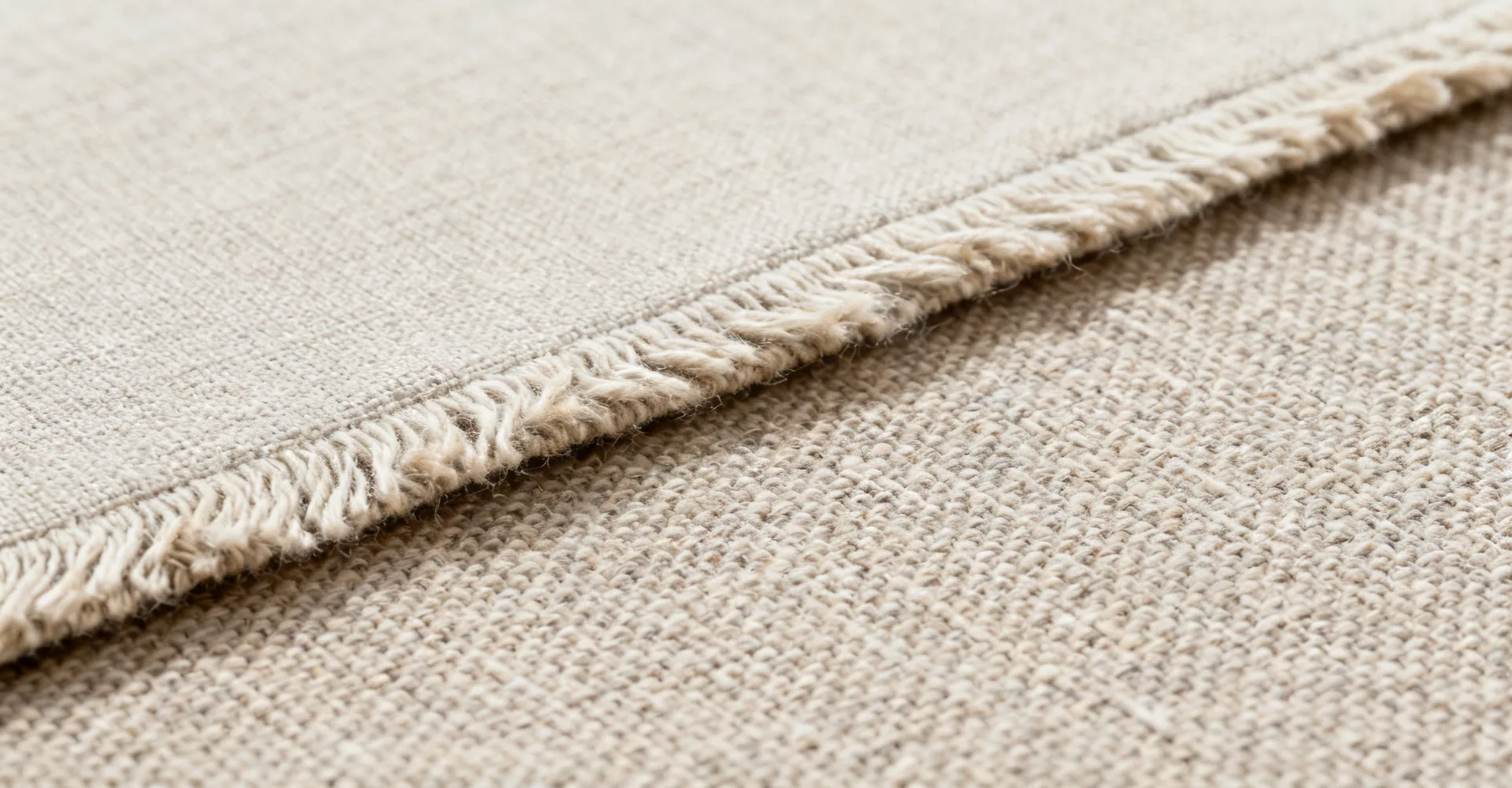
wide macro cross-section of an upholstery cloth with visible yarns, woven face and reverse

Explore the construction

Camira — Find the texture your space calls for

For contract seating and interior upholstery, begin with the surface people touch. A close view of yarn and construction helps frame the discussion; a physical reference and the intended use make it specific. Explore Camira fabrics through material questions rather than a photograph alone.

Face
Surface and handfeel
Construction
Weave, yarn and surface character
Reverse
Handle and assembly context
Discuss your fabric requirements

Spills and moisture need different questions

Liquid contact on seating

Ask how resistance was tested and what the specimen condition was.

Context
Pressure, exposure and construction

A wipe-clean requirement does not establish waterproof performance. Describe the proposed cleaning product, contact time and upholstery assembly before asking for relevant evidence. Treat a surface finish as a material-specific question, not a property of every fabric.
Comfort and moisture movement

Ask for the relevant method and comparable conditioning.

Context
Method, gradient and specimen state

Material scope

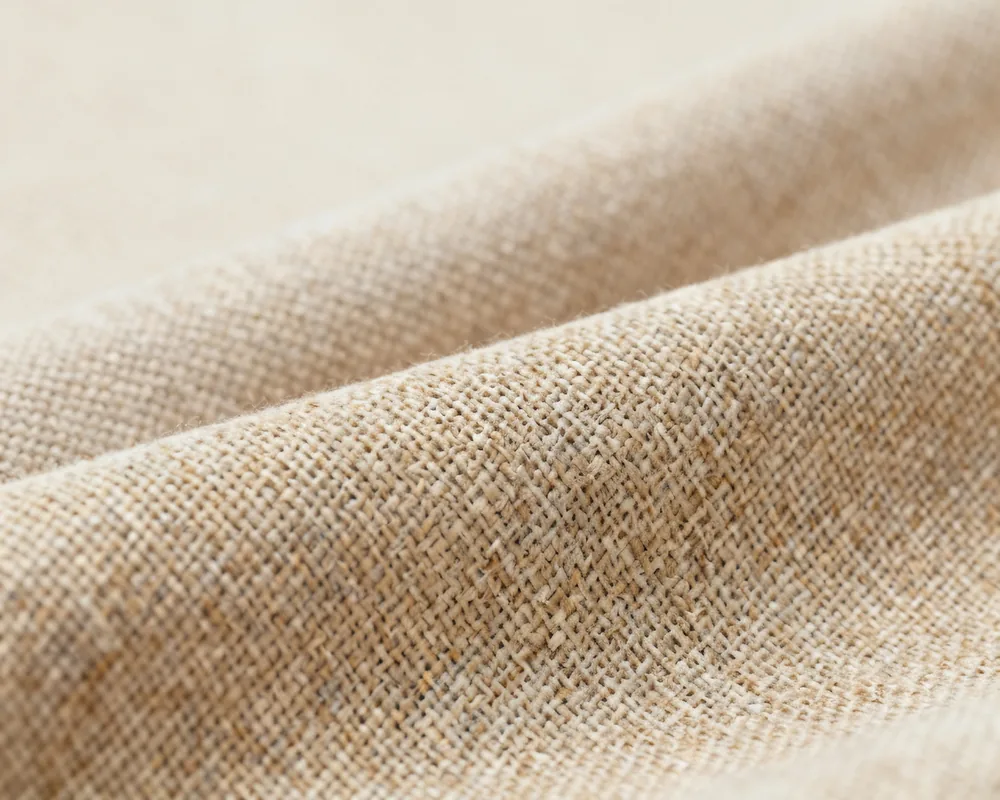
woven fabric texture

Woven Upholstery Texture

Explore relevant materials

These material studies illustrate what to examine, not a promise of stock or a named collection specification. Compare fiber composition, GSM in g/m² and usable width in cm against the dated material reference. A similar colour can conceal a different weave construction or handle.

Match the application

Composition
Clarify the fibre blend
Width
Discuss usable area
Sample
Agree the review reference

Fabric selection questions

Why is GSM not enough?

Mass per unit area does not define construction, handfeel or finish. Review these separately.

Fiber composition, weave construction, usable width and dimensional stability belong beside the GSM reference. A higher mass does not automatically mean better abrasion resistance. Pilling, seam slippage and colorfastness address different concerns. Ask for separate method-specific results where the project requires them; none is a universal prediction of service life.

How should I describe a sample?

Share the composition reference, construction, usable width and intended use; explain the shade and finish context.

Natural fibers may offer a preferred tactile character, while synthetic options may fit a different care routine. Neither label alone settles durability or environmental impact. Review blend, finish and actual maintenance together before accepting a substitute.

Can test results be compared directly?

Only after the method, specimen state and scope are checked. Water resistance and moisture transmission describe different properties.

Need help reading a specification?

Include the method, sample state and report scope.

Bring the dated swatch, application, quantity and destination. Note any unknowns explicitly so a target requirement is not mistaken for a documented material result.