Camira — Fabric selection guide

Start with the use and the physical sample.

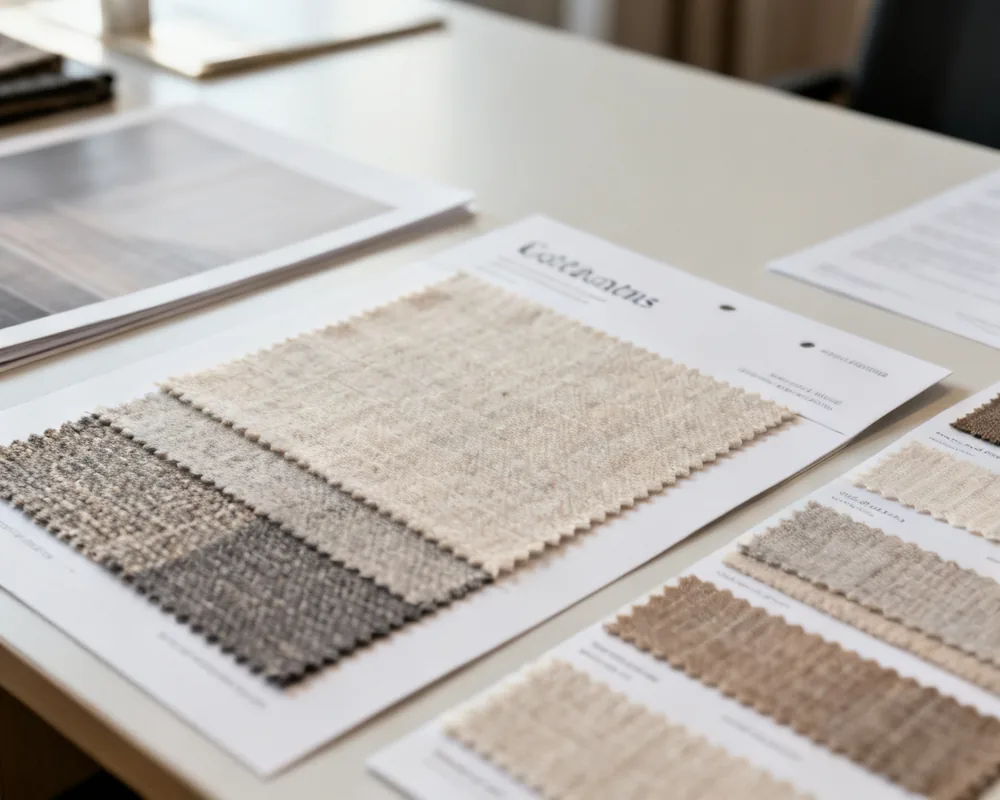
unbranded textile selection desk with sample cards

Fabric selection guide

Begin with the setting

For contract seating, begin with the contact pattern, interior setting and care routine. A reception seat with frequent use raises different questions from a lightly used meeting area. Describe whether texture, cleanability or a particular joining detail drives the decision. Set the application before comparing a Camira fabric reference. Neither a material name nor an interior photograph establishes suitability, fire performance or an acoustic result for the assembled furniture.

Fabric selection guide — compare at least four dimensions
DimensionReview questionEvidence or next step
TouchComposition alone is insufficientReview physical handle and construction
CareMaintenance can change suitabilityDescribe the actual care context
ExposureDifferent stresses need different evidenceSeparate water, wear and light questions
ProcessingAssembly affects selectionDiscuss width, edges and joining

Handle the sample as information

Handle a dated physical sample in the orientation intended for use. Compare the face and reverse under the same lighting and record the shade reference, surface character and perceived firmness. A screen swatch cannot approve colour; a small specimen cannot establish roll-wide consistency. Keep lab dip and production shade band approvals distinct. If the material or finish changes, revisit the reference rather than assuming sample-to-bulk equivalence.

Compare the construction, not one label

Use composition, GSM in g/m² and usable width in cm together. Ask how weave construction and finishing affect the proposed seam and care routine. Abrasion resistance is not pilling resistance, and seam slippage is not tear strength. If a result is supplied, retain its method, sample identity, conditioning, report date and applicable construction. GSM and usable width do not replace fiber composition or weave construction. Compare like with like; a result obtained under a different method or specimen state should remain a separate item until its relevance is established.

Prepare a shortlist with tradeoffs

Natural fibers may meet a tactile preference while synthetic routes may suit a different care priority. Review the actual blend and finish rather than assigning a universal winner. A softer handle may need a different joining review; a backed cloth may change assembly and end-of-use questions. Stock and custom routes require separate confirmation of shade lot, quantity, availability date and development steps. A catalogue reference establishes none of these terms.

Discuss this material question