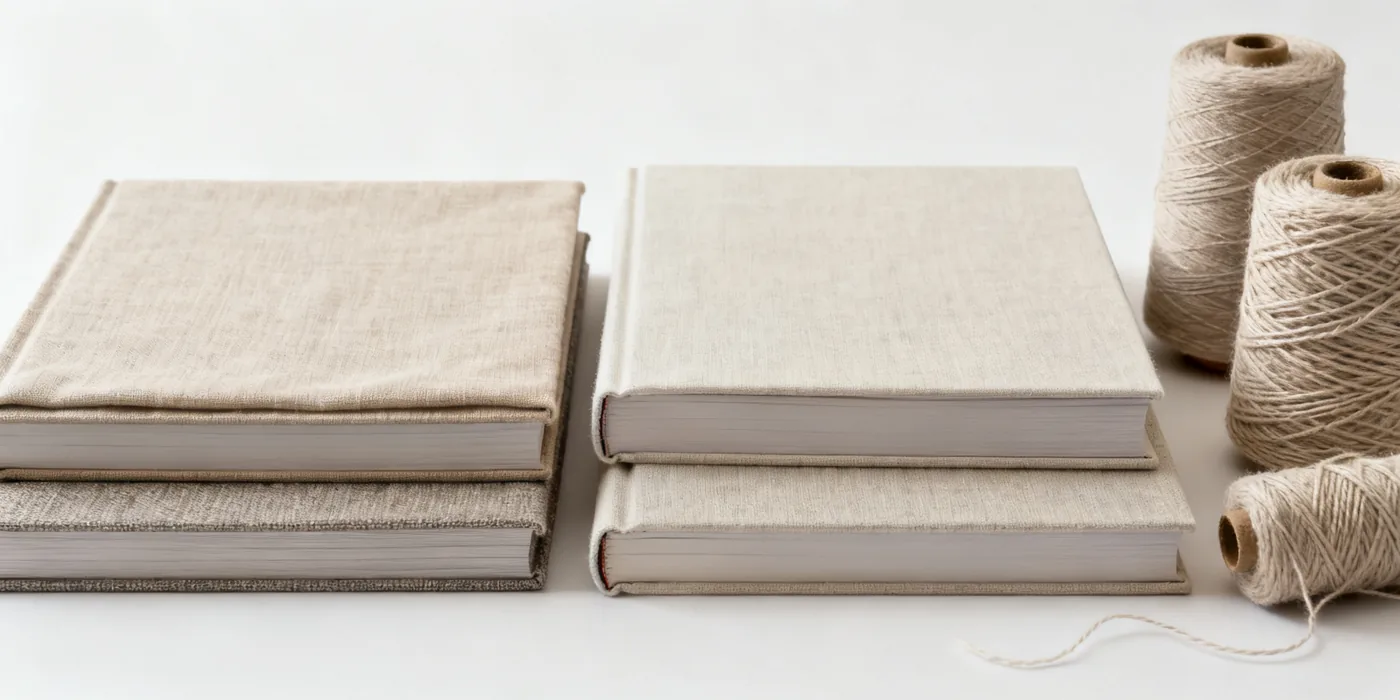
Discuss the physical material
Composition and GSM start the description. Construction, handle, width and finish refine it.
Camira is the material focus of this space: contract upholstery and interior fabric considered through texture, construction and use. The starting point is a shared description of the cloth and the setting in which it will be used. Material names and images can help open a discussion, but the material reference must carry the detail needed for a decision. Composition, GSM in g/m² and usable width in cm belong together. Weave construction and the way warp and weft interact can help explain a surface that a fiber name alone cannot describe.
A tactile vocabulary is most useful when it points to an observable feature. Describe a dry or smooth handle against the dated sample, note its face and reverse, and identify the yarn or surface characteristic being discussed. Keep shade approval separate from a preference for a texture. A lab dip can support colour review, while a shade band helps frame accepted variation; neither should be treated as a universal guarantee for future lots. Preserve batch traceability with any accepted reference and clarify how a substitution would be reviewed.
Discuss the intended use
Care, exposure and processing conditions change what evidence is relevant.
The same cloth can raise different questions in a meeting room, a reception seat or an upholstered interior panel. These are application contexts, not completed customer projects. A high-contact seating area makes care, abrasion resistance and pilling questions relevant; a joining detail may put seam slippage ahead of appearance. Request evidence for the actual construction and finish. A numerical wear result does not predict every service environment, and a cleaning instruction for one material should not be extended to another without checking its scope.
This approach leaves room for material tradeoffs. Natural fibers and synthetic fibers can suit different tactile and care priorities; neither category alone settles environmental performance. A recycled-content statement, if proposed, needs its own scoped documentation. Product-specific reports and dated approvals give the discussion a clearer boundary than a broad label. Keep the same reference when comparing a texture, a shade and a proposed use, and identify any change in backing or finishing that could alter the comparison. Use the material enquiry to describe that reference and its open questions, then confirm the sampling and supply details alongside the intended interior application.